Introduction
Like it or not, smartwatches are here to stay. The truth is, there’s so much to love about them. Monitoring your health has never been easier than now, when all it takes is an accurate device on the wrist to monitor heart rate.
Despite the rise of newer, niche wearables, smartwatches remain the most versatile and widely adopted. Why? Because they do more, more often, for more people. They’ve evolved far beyond step counters or timekeepers. Today’s smartwatches are health monitors, productivity assistants, fitness coaches, and notification hubs all rolled into one. And consumers are noticing.
As features get smarter and designs get sleeker, their appeal continues to grow. For brands and Amazon sellers, this creates a huge opportunity. With the right OEM smartwatch partner, you can create products tailored to what real users want—whether it’s long battery life, health sensors, or sleek, modern design. This post explores the real reasons smartwatches continue to lead and how OEM solutions can help your brand stand out in a competitive market.
The Multi-Functionality of Smartwatches
Smartwatches continue to outperform other wearables because they do more than just being on your wrist. They combine tools for health, productivity, fitness, and navigation into one seamless device, making them indispensable for lovers of smartwatches. Here’s a look at the multiple functionalities of this device that make it stand out from other wearables.
- Health and Wellness Tracking
Smartwatches have become essential personal health companions. The Apple Watch Series 9, Fitbit Sense 2, and Samsung Galaxy Watch 6 now include ECG, blood oxygen, and sleep stage monitoring. These metrics help users live a healthier life. According to the 2023 European health report, more than 66% of smartwatch users claim they bought a device to track either health or sports activity. This isn’t just for fitness buffs. Smartwatches are now tools for early detection and long-term health management. Apple’s irregular rhythm notifications have helped users detect atrial fibrillation, and Fitbit’s stress tracking uses electrodermal activity to measure real-time stress levels.
With apps offering guided breathing, hydration reminders, and even menstrual tracking, smartwatches have allowed health monitoring into our daily experiences. Even better, the data syncs automatically with smartphones or cloud platforms. OEM partners like Starmax have been quick to integrate these innovations into customizable smartwatch models—making it easier for brands to offer high-end health tracking features without starting from scratch.
- Productivity and Notifications
Productivity is a major reason users choose smartwatches over other wearables. These devices streamline task management, offering hands-free calendar alerts, email previews, call handling, and even voice replies right from the wrist. Well, we don’t need to emphasize how staying connected without checking your phone every five minutes is a real advantage. Experts report that over 60% of smartwatch users use their devices daily for productivity-related tasks. Smartwatches like the Pixel Watch or Garmin Venu 3 offer deep integrations with tools like Google Calendar, Slack, and Microsoft Teams. The ability to accept Zoom calls, preview to-dos, or send auto-responses without reaching for a phone saves time and keeps workflow interruptions to a minimum.
From an OEM perspective, this opens the door to productivity-focused models—designed for remote workers, students, or on-the-go professionals. Features like voice assistants or message templates can be tailored to meet user-specific needs. It’s these real-time conveniences that position smartwatches as more than just accessories.
- Sport and Fitness Tracking
Smartwatches have replaced traditional fitness trackers by offering deeper, sport-specific insights. Various features make them great for both beginners and elite athletes. Devices like the Garmin Forerunner and Apple Watch Ultra include advanced training modes for cycling, HIIT, swimming, triathlons, and more. According to research, more than 60% of smartwatch buyers say fitness tracking is a significant reason for buying smartwatches.
What makes them stand out is real-time coaching. AI-driven prompts suggest when to push harder or cool down, improving training efficiency and safety. Many watches even provide race pacing features, and some offer adaptive workout plans based on past performance. When paired with accurate GPS and waterproof builds, smartwatches become all-in-one sport companions that are useful for gym sessions, marathons, or mountain trails.
Brands that focus on niche fitness categories—like cycling, swimming, or running—can work with OEM partners, like Starmax, to offer training modes that match those audiences.
- Navigation and Location Services
One major advantage smartwatches have over other wearables is built-in GPS and navigation support. Whether you’re driving, walking, or trail running, real-time turn-by-turn directions, offline mapping, and location sharing are powerful assets that make them stand out. The Apple Watch Ultra includes precision dual-frequency GPS for outdoor adventurers. Garmin and Huawei models offer offline topographic maps, which are crucial for hikers or travelers without network access. Unlike smart rings or fitness bands, these features work independently of a smartphone once synced.
Commuters also benefit from these navigation features. Google Maps on Wear OS smartwatches deliver silent, vibration-guided directions that helps users move around the city on foot or by bike. Location sharing helps users stay safe during solo workouts or night walks. For OEMs, GPS capabilities support security, lifestyle, and convenience. Smartwatches are those tools that help you get where you’re going, efficiently. If your product targets outdoor enthusiasts or travelers, including high-accuracy GPS and offline maps is a smart OEM feature to consider.
Smartwatch-Only Features That Set Them Apart
What truly separates smartwatches from other wearables is that they do so much more than other wearables. They offer interactive and intuitive features that simply don’t exist in fitness bands or smart rings. Let’s check out these features that only smartwatches can deliver.
- Interactive Touchscreen Display
Unlike smart rings or fitness trackers that rely on limited or no visual output, smartwatches come equipped with full-color, high-resolution touchscreen displays. This visual interface transforms the way users interact with their devices. That means they can view detailed alerts and access customization in real-time.
For instance, the Apple Watch Series 9 features an always-on Retina display with up to 2,000 nits of brightness, making it easy to view even in direct sunlight. On Samsung’s Galaxy Watch6, users can tap, swipe, or pinch to zoom, just like on a smartphone. These intuitive gestures enhance usability, especially when multitasking during workouts, commuting, or meetings.
The screen also supports complex app layouts, on-screen workouts, call interfaces, and visual health metrics like ECG graphs. No other wearable category offers this level of real-time visual feedback, making smartwatches far more versatile and interactive. If you’re building a smartwatch brand or choosing OEM specs, these are the features consumers expect right out of the box. They’re no longer extras—they’re essentials.
- App Integration and Third-Party Support
Smartwatches have a great app ecosystem and third-party developer support that makes them better than other wearables. Unlike smart rings or fitness bands that typically offer fixed functionalities, smartwatches give users access to full app libraries tailored to productivity, health, finance, travel, and entertainment. For example, users can download Google Maps, WhatsApp, and even Uber on Wear OS devices. This dramatically enhances the daily value of the device. The Pixel Watch and Apple Watch Series 9 allow users to track workouts, reply to messages, make purchases, or even monitor stock markets.
Integration is a big deal. These apps sync with cloud services, desktop tools, and mobile apps. We doubt there’s a smart ring that can do it effectively.
- Customizable Watch Faces and Widgets
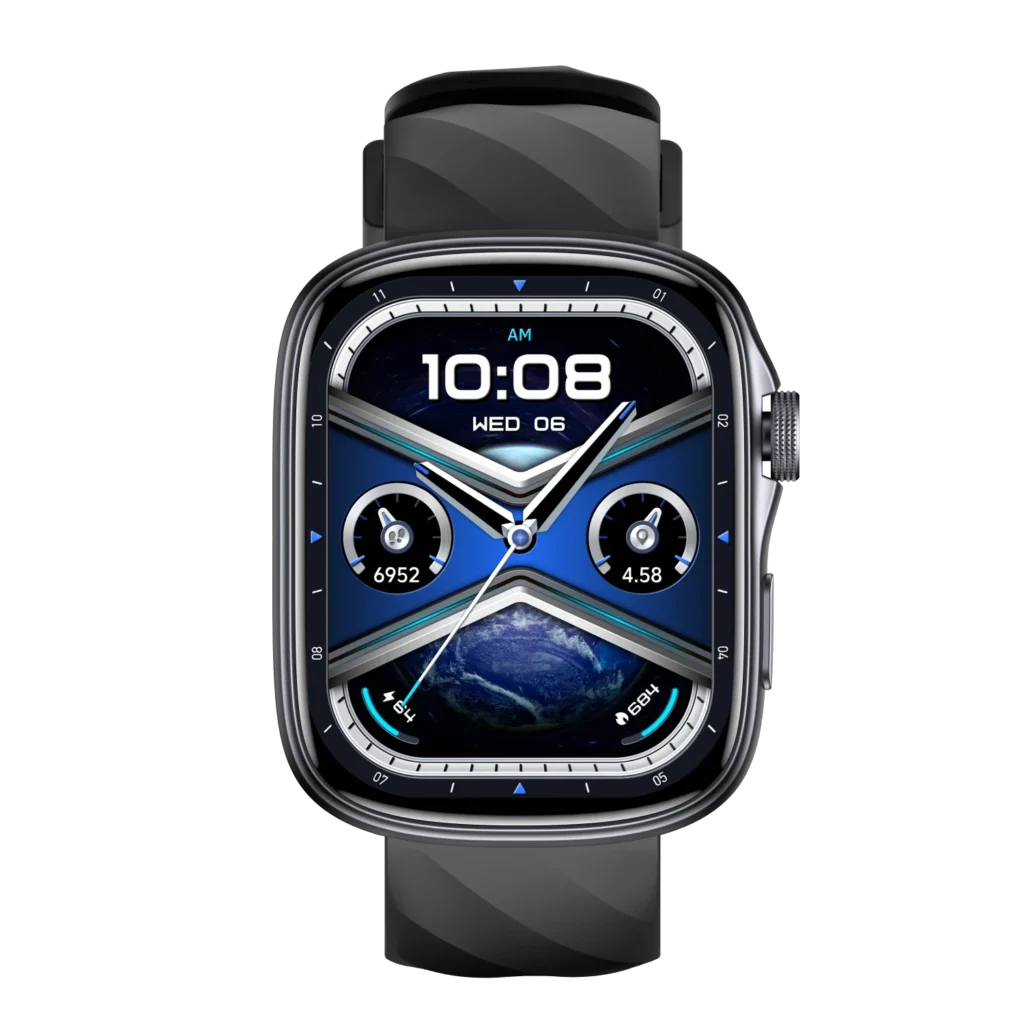
Smartwatches offer unmatched personalization through custom watch faces, widgets, and complications that allow users to tailor the device to their exact needs. Whether it’s displaying heart rate, weather, step count, or calendar events, this modular customization is a huge part of the appeal. Users of the Samsung Galaxy Watch6 can create widget stacks that rotate based on time of day or activity. Apple Watch users, meanwhile, can build watch faces around specific use cases. You can have different watch faces for work, travel, gym, or sleep, each with different shortcuts and information tiles.
This dynamic interface creates a more efficient and personal experience. It reduces friction, boosts engagement, and makes the device feel more personal.
- Smart Activity Recognition
AI-driven smart activity recognition is a key differentiator. Smartwatches can automatically detect whether a user is walking, cycling, or swimming, and begin tracking without any manual input. It’s not unheard of for models like the Apple Watch Ultra to instantly recognize when a workout starts and classify it with surprising accuracy. This is made possible through sensors like accelerometers, gyroscopes, and heart rate monitors combined with machine learning.
This not only saves time, but also ensures more accurate tracking. It’s a major benefit for users who forget to start a workout manually or are switching between multiple exercises in one session. You don’t get this with fitness bands and rings.
- Predictive Health Monitoring
Smartwatches are evolving from reactive trackers into predictive wellness tools. Thanks to AI and continuous biometric data, they can now alert users to potential health issues before symptoms emerge. For example, the Fitbit Sense 2 monitors stress levels, breathing rates, and heart irregularities to warn early about illness or overexertion. Apple’s heart rate irregularity alerts have already led to the early detection of atrial fibrillation in thousands of users. That’s a great lifesaver.
The feature most referenced by smartwatch users when it comes to health monitoring was heart rate tracking, with 75% of them saying their device offered this. Heart rate was followed by step counting (67%), sleep tracking (62%) and calories (57%). Wearables with predictive features can play a role in early diagnosis and chronic disease management. This ability to move beyond tracking into anticipation is exclusive to smartwatches.
Why Smartwatches Will Always Be in Demand
The wearable tech market continues to expand, but smartwatches remain the centerpiece and for good reason. Their combination of functionality, adaptability, and cultural relevance gives them an edge that other wearables simply cannot match. While fitness bands and smart rings have carved out their niches, none offer the same comprehensive blend of daily engagement and unique uses like we have discussed so far. One major factor is habit integration. Smartwatches become part of a user’s daily rhythm.
They blend so easily with your daily life that it could become tough to imagine a day without them. You have your morning alarms, midday reminders, workout sessions, and sleep tracking all happening seamlessly on your wrist. The more integrated a device is, the harder it becomes to replace. Since about 80% of smartwatch users use their device to track their daily steps, this accounts for usage for more than 12 hours a day. Many cite convenience as the top reason.
Another reason is brand ecosystem lock-in. Apple, Samsung, and Google have built smartwatch platforms that connect effortlessly to phones, tablets, earbuds, and even home appliances. This creates a feedback loop of engagement and dependency that drives both loyalty and ongoing purchases. As AI advances and smartwatches take on more predictive and personalized roles in health, productivity, and communication, their appeal will only grow. For OEMs and tech companies, the message is clear that smartwatches are more than a trend.
So, let’s give you a more concise outlook on why smartwatches keep outselling other wearables. It all boils down to these:
- All-in-One Functionality: Smartwatches combine health, fitness, productivity, and communication tools into a single, wearable device.
- Interactive Touchscreen Displays: Their visual interfaces allow users to view, control, and customize apps in real-time, unlike screenless wearables.
- Robust App Ecosystems: Smartwatches support third-party apps across diverse categories, turning them into powerful tools on the wrist.
- Seamless Ecosystem Integration: They sync effortlessly with smartphones, tablets, earbuds, and smart home systems, enhancing daily convenience.
- Continuous Health and Fitness Tracking: Advanced sensors and predictive features make them reliable daily companions for wellness and performance monitoring.
- Personalization and Style: Custom watch faces, interchangeable straps, and tailored widgets let users match function with fashion.
- High User Engagement and Retention: Smartwatches are worn longer, used more frequently, and integrated deeper into daily routines than other wearables.
Smartwatches stay relevant because they’re flexible, smart, and easy to use. They’ve also become a favorite among Amazon sellers and private-label brands because they combine everyday utility with mass-market appeal. Though Apple, Samsung, and Google dominate—OEM solutions providers like Starmax offer a chance for new brands to carve out their space by offering quality at a better price point. You have the flexibility to create smartwatches that fit the right market segments – from fitness and outdoor sports to fashion-forward tech products.
Conclusion
Smartwatches have earned their place as the flagship device in the wearables space not because they do one thing better, but because they do many things well. Users can rely on their smartwatches for health tracking and fitness, productivity, navigation, and personalization. These are all features unmatched by smart rings, and fitness bands.
Their ability to serve as both lifestyle companions and performance tools makes them indispensable in the lives of millions. Of course, let’s not forget how AI is making smartwatches better by the minute. We all know that artificial intelligence is here to stay, and smartwatches that tap into this innovation have nowhere else to go but up. Combine this with sleek designs, and it’s easy to see why consumers continue to choose smartwatches year after year.
For OEM brands, smartwatches are a worthy investment. The brands that win will be those that prioritize intuitive features, longevity, and offer value to real-world users. The focus should be on delivering smartwatches that make life easier, healthier, and more connected day after day. The right OEM partner can make this happen.
Choosing the right OEM partner like Starmax means you can create a smartwatch that’s not only stylish and feature-rich but also built to win over today’s consumers. Focus on real-life value, long battery life, and user-friendly design. That’s how you build a smartwatch brand that stands out and sells.